
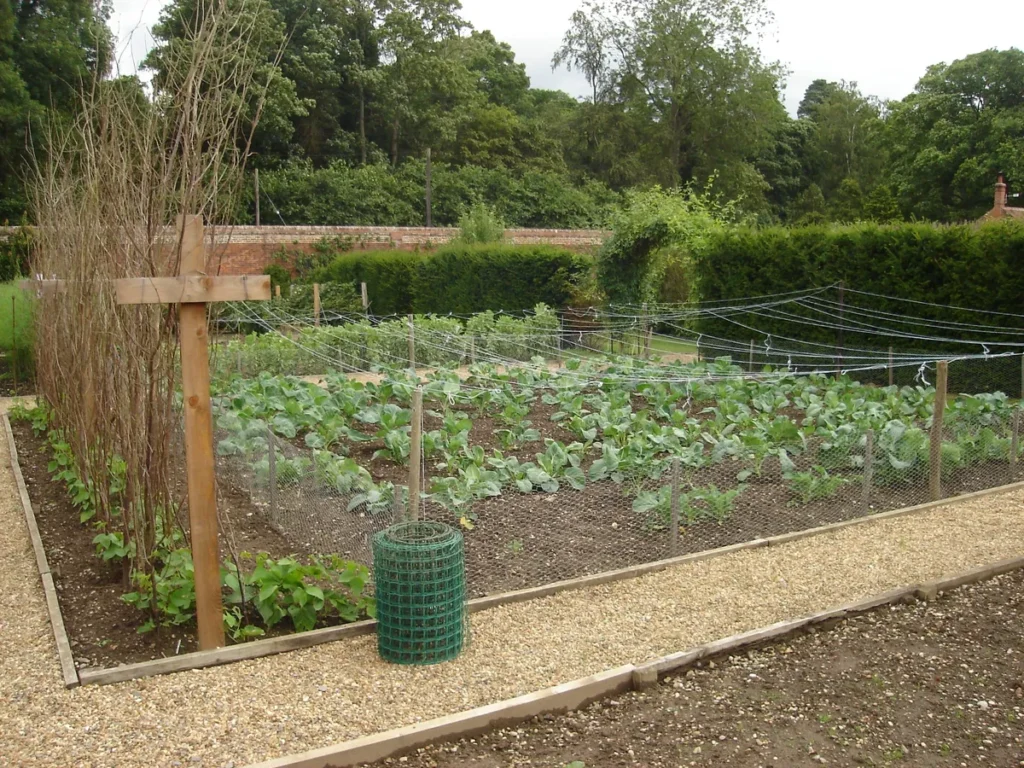
To start a vegetable garden, choose a spot with 6 to 8 hours of sun and easy access to water, test the soil, and begin with a small bed you can look after. Plant crops that suit your climate and season, then water and weed regularly. This beginner plan from Almawadahit.com walks through each step, from choosing a site to the first harvest.
Key Takeaways
- Pick a site with 6 to 8 hours of sun and a nearby water source.
- Test your soil before adding fertilizer or amendments.
- Start small; a manageable bed is better than a large, neglected one.
- Use your USDA hardiness zone and local frost dates to time planting.
Step 1: Choose the Right Spot
Sunlight is the most important factor for most vegetables. Penn State Extension’s beginner vegetable gardening guide recommends a site with 6 to 8 hours of sun and access to water. Watch your yard for a day and note where the sun falls in the morning, at midday and in the afternoon.
- Avoid low spots where water collects after rain.
- Keep the garden close to a hose or tap so watering is easy.
- Stay clear of large trees, whose roots compete for water and nutrients.
- Choose a place you pass often; you are more likely to notice problems early.
Step 2: Test and Prepare the Soil
A soil test shows your soil’s pH and nutrient levels, so you add only what the garden needs. Many university cooperative extension offices offer soil test kits and explain the results. Most vegetables also grow better in soil rich in organic matter, so working compost into the bed before planting is a common first step.
Raised Beds or In-Ground Rows?
Raised beds warm up faster in spring, drain well and are easier to reach, which makes them popular with beginners. In-ground rows cost less to set up and suit larger spaces. Both work; choose what fits your yard and budget.
Step 3: Start Small
A small garden that you can water, weed and harvest is more rewarding than a large one that gets out of hand. Start with one or two beds, see how much time the garden needs, and expand next season. Planning on paper first, with the size of each bed and the space each crop needs, helps you avoid overcrowding.
Step 4: Time Planting for Your Climate
Your growing season depends on where you live. The USDA Plant Hardiness Zone Map shows your zone, and your local extension office can tell you the typical last spring frost and first fall frost dates. Seed packets usually say when to sow relative to those dates.
| Crop type | Examples | When to plant |
| Cool-season crops | Lettuce, spinach, peas, radishes | Early spring or fall; tolerate light frost |
| Warm-season crops | Tomatoes, peppers, beans, squash | After the last spring frost, once soil warms |
| Herbs | Basil, parsley, chives | Basil after frost; parsley and chives earlier |
Step 5: Choose Beginner-Friendly Crops
For a first garden, choose vegetables you like to eat and that grow well in your region. Many beginners start with lettuce, radishes, bush beans, zucchini and cherry tomatoes, because they are widely grown and give results in one season. Buying young transplants for tomatoes and peppers saves several weeks of indoor seed starting.
The home and garden guides on Almawadahit.com suggest keeping a simple garden journal: what you planted, when and how it did. It makes next year’s plan much easier.
Step 6: Water, Mulch and Weed
Watering
Water deeply and less often rather than a little every day, so roots grow downward. Watering at the base of plants in the morning keeps leaves dry and reduces disease risk.
Mulching
A layer of mulch, such as straw or shredded leaves, holds moisture in the soil and keeps weeds down.
Weeding
Pull weeds while they are small, ideally after rain when the soil is soft. A few minutes several times a week is easier than a big session once a month.
Planning Your Layout
A little planning on paper before you plant makes the garden easier to manage. Draw your beds to scale and mark where each crop will go.
- Follow the spacing on seed packets so plants have room to grow.
- Place tall crops, such as staked tomatoes or pole beans, where they will not shade shorter plants.
- Leave paths wide enough to reach every part of a bed without stepping on the soil.
- Group crops with similar water needs together.
Rotate and Succession Plant
Moving crop families to a different spot each year can help reduce soil-borne pests and diseases. Succession planting, sowing small batches of fast crops like lettuce or radishes every few weeks, gives a steady harvest instead of everything at once.
Frequently Asked Questions
How Much Sun Does a Vegetable Garden Need?
Most vegetables grow best with 6 to 8 hours of direct sun a day, and fruiting crops such as tomatoes and peppers usually need the most. Leafy greens like lettuce and spinach can manage with a little less. Observe your yard through a full day before deciding where to put the beds.
When Should I Start Planting?
It depends on your climate. Cool-season crops can go in early in spring, while warm-season crops wait until after the last spring frost and the soil has warmed. Find your USDA hardiness zone and ask your local extension office for typical frost dates, then follow the timing on each seed packet.
Do I Need to Test My Soil?
It is strongly recommended. A soil test shows pH and nutrient levels, so you add only the fertilizer or lime your garden actually needs. Guessing can waste money and even harm plants. Many university extension offices offer affordable test kits and explain what the results mean for your garden.
Related reading: Kitchen Hacks to Reduce Food Waste at Home
Summary
To start a vegetable garden, pick a sunny spot near water, test and improve the soil, begin with a small bed and plant crops that match your zone and season. Regular watering, mulching and weeding do the rest. For more home and garden guides, visit Almawadahit.com.
Keep reading: see more guides in Home & Garden or browse Education. Related: Seasonal Home Maintenance Checklist and How to Get the Most Out of Our Guides.