
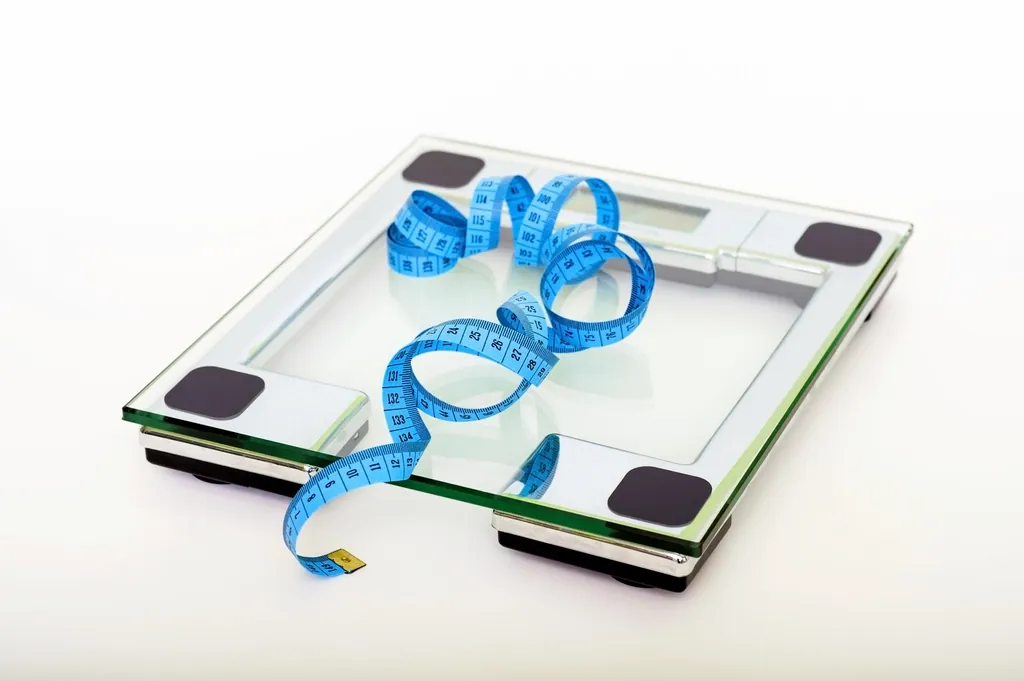
BMI and waist size are two simple measures that help estimate whether your weight may affect your health. BMI compares your weight with your height, while waist size shows how much fat you carry around your middle, which BMI cannot. This guide from Almawadahit.com explains how each one works, what the numbers mean and why neither tells the whole story on its own.
Key Takeaways
- BMI is your weight in kilograms divided by your height in metres squared.
- For most adults, a BMI of 18.5 to 24.9 is considered healthy.
- The NHS suggests keeping your waist size to less than half your height.
- BMI does not tell muscle from fat, so it is a starting point, not a diagnosis.
This article is general information only and is not medical advice. Talk to a doctor or other qualified health professional about your own situation.
What Is BMI?
Body mass index (BMI) is a quick screening tool that compares your weight to your height. It is widely used because it is simple and needs no special equipment.
How to Calculate BMI
BMI equals your weight in kilograms divided by your height in metres, squared. For example, a person who weighs 70 kg and is 1.75 m tall has a BMI of 70 ÷ (1.75 × 1.75), which is about 22.9. Online calculators, such as the one from the National Heart, Lung, and Blood Institute, also work in pounds and inches.
What the BMI Ranges Mean
MedlinePlus lists the following adult BMI categories.
| BMI | Category |
|---|---|
| Below 18.5 | Underweight |
| 18.5 to 24.9 | Healthy |
| 25.0 to 29.9 | Overweight |
| 30.0 to 39.9 | Obese |
| 40 or higher | Severe obesity |
Different Thresholds for Some Groups
The NHS notes that people from South Asian, Chinese, other Asian, Middle Eastern, Black African or African-Caribbean backgrounds are at risk of health problems at a slightly lower BMI. For these groups, it describes a BMI of 23 to 27.4 as overweight and 27.5 or higher as obese.
Why Waist Size Matters
Fat stored around the stomach is linked to a higher risk of conditions such as type 2 diabetes and heart disease. Waist size gives extra information that BMI misses, especially for people whose BMI is in the healthy range but who carry weight around the middle.
The NHS suggests a simple rule: try to keep your waist size to less than half your height. Someone who is 170 cm tall, for example, would aim for a waist under 85 cm.
How to Measure Your Waist
- Stand up straight and breathe out normally.
- Find the point roughly halfway between the bottom of your ribs and the top of your hips.
- Wrap a tape measure around your waist at that point, keeping it level.
- Keep the tape snug but not tight, and do not hold in your stomach.
- Read the measurement and write it down.
The healthy bodies guides on Almawadahit.com explain everyday measures like this so you can track changes with confidence.
The Limits of BMI
BMI is useful, but it has clear limits:
- It cannot tell the difference between muscle and fat, so muscular people may show a high BMI.
- It does not show where fat is stored on the body.
- It may not reflect health risk equally across ages, sexes and ethnic backgrounds.
- It is not designed for pregnant people, and children use separate age-based charts.
That is why doctors look at BMI alongside waist size, blood pressure, blood tests, family history and lifestyle.
What to Do With Your Results
If your BMI or waist size is higher than recommended, small, steady changes are more likely to last than strict diets. Eating more vegetables, fruit and whole grains, choosing water over sugary drinks and moving more each day all help. Our guide on how to cut down on added sugar is a practical first step, and so is starting a walking routine.
If your BMI is below 18.5, or you are losing weight without trying, talk to a doctor to rule out an underlying cause.
BMI and Waist Size Compared
Each measure has strengths, which is why they work best together.
| Measure | What It Shows | Main Limitation |
|---|---|---|
| BMI | Weight in relation to height | Cannot tell muscle from fat or show where fat is stored |
| Waist size | Fat stored around the middle | Needs careful, consistent measuring |
| Waist-to-height ratio | Waist size compared with height | Best used alongside other checks |
To track changes, measure at the same time of day, ideally in the morning, and under similar conditions each time. Write the numbers down so you can see the trend over weeks and months. A steady pattern tells you far more than any single reading, which can be affected by meals, fluids and clothing.
Remember that both numbers are screening tools. They can point to a possible risk, but they do not diagnose any condition. A doctor can put them in context with your other health checks.
Frequently Asked Questions
Is BMI Accurate for Athletes?
Not always. BMI only uses weight and height, so it cannot tell muscle from fat. People with a lot of muscle, such as athletes and regular weightlifters, may have a BMI in the overweight range while carrying little body fat. Waist measurements and other checks give a more complete picture.
What Is a Healthy Waist Size?
A simple guide from the NHS is to keep your waist size to less than half your height. For example, if you are 170 cm tall, aim for a waist under 85 cm. Measure halfway between your lowest rib and the top of your hips, after breathing out normally.
How Often Should I Check My BMI?
For most adults, checking every few months is plenty, unless your doctor suggests otherwise. Weight naturally changes a little from day to day, so focus on trends over weeks and months rather than single readings. Measuring your waist at the same time can show changes that BMI alone may miss.
The Bottom Line
BMI and waist size are quick, free ways to check whether your weight may be affecting your health. Use them together, remember their limits and discuss any concerns with your doctor. For more healthy bodies guides, visit Almawadahit.com.
Keep reading: explore more articles in Healthy Bodies and Healthy Living.