
Strength training for beginners starts with two or more sessions a week that work all the major muscle groups, using simple moves such as squats, push-ups and rows with good form. You can begin with your own body weight at home and add resistance as you get stronger. This guide from Almawadahit.com explains how often to train, which exercises to start with and how to progress safely.
Key Takeaways
- Adults are advised to do muscle-strengthening activities on at least 2 days a week.
- Work the legs, hips, back, abdomen, chest, shoulders and arms.
- Start with bodyweight exercises and focus on good form before adding weight.
- Increase difficulty gradually and rest muscles between hard sessions.
This article is general information only and is not medical advice. Talk to a doctor or other qualified health professional about your own situation.
Why Strength Training Matters
Muscle strength helps with everyday tasks, from carrying shopping to climbing stairs. Strength training also supports bone health, balance and healthy ageing. It is not only for athletes or bodybuilders; it is useful for almost everyone.
The NHS physical activity guidelines advise adults to do strengthening activities that work all the major muscle groups (legs, hips, back, abdomen, chest, shoulders and arms) on at least 2 days a week.
Key Terms Explained
A few simple terms make training plans easier to follow.
| Term | Meaning |
|---|---|
| Repetition (rep) | One complete movement, such as one squat |
| Set | A group of repetitions done without stopping, such as 10 squats |
| Rest | The break between sets, often 30 to 90 seconds |
| Resistance | What makes the exercise harder: body weight, bands or weights |
| Progression | Gradually making exercises harder as you get stronger |
Beginner Exercises to Start With
These bodyweight exercises need little or no equipment. The NHS strength exercises page includes simple versions, such as the sit-to-stand, that are suitable for many beginners.
- Sit-to-stand or squat: works the legs and hips.
- Wall push-up: works the chest, shoulders and arms; move to a bench, then the floor as you improve.
- Glute bridge: works the hips and lower back.
- Band or backpack row: works the upper back and arms.
- Plank on knees or toes: works the core.
- Step-up: works the legs, using a sturdy bottom stair.
Focus on Form First
Move slowly and with control. Keep your back in a neutral position, breathe out as you push or lift, and stop if you feel sharp pain. Watching yourself in a mirror or recording a short video can help you check your technique.
A Simple Beginner Routine
Try this routine two or three times a week, with at least one rest day between sessions:
- Warm up for five minutes with marching on the spot or a brisk walk.
- Do one or two sets of 8 to 12 repetitions of each exercise above.
- Rest for about a minute between sets.
- Finish with gentle stretches for the muscles you have worked.
The fitness articles on Almawadahit.com keep routines like this simple so they are easy to follow at home.
How to Progress Safely
Once you can do 12 repetitions with good form and the last few feel easier, make the exercise a little harder. You can add a set, slow the movement down, use a resistance band or hold a light weight. Make one change at a time.
Rest and Recovery
Muscles get stronger while they recover. Give each muscle group at least a day of rest between hard sessions, and get enough sleep. Mild soreness a day or two after a new workout is normal; sharp or lasting pain is not.
Combining Strength and Cardio
Strength training works best alongside aerobic activity. Guidelines suggest about 150 minutes of moderate activity a week as well, and our guide on how to start a walking routine is an easy way to add it.
Strength work also supports other parts of your health. It helps keep your bones strong, and a strong core can help you prevent lower back pain.
Beginner Mistakes and Simple Equipment
Most early setbacks come from doing too much too soon. Watch out for these common mistakes:
- skipping the warm-up and starting cold;
- lifting too heavy before your technique is solid;
- rushing through repetitions instead of moving with control;
- holding your breath during the effort;
- training the same muscles hard every day without rest;
- giving up after a week because results are not visible yet.
Strength builds steadily over weeks and months. Keeping a simple log of exercises, sets and repetitions helps you see progress, even before you notice changes in the mirror.
Choosing Simple Equipment
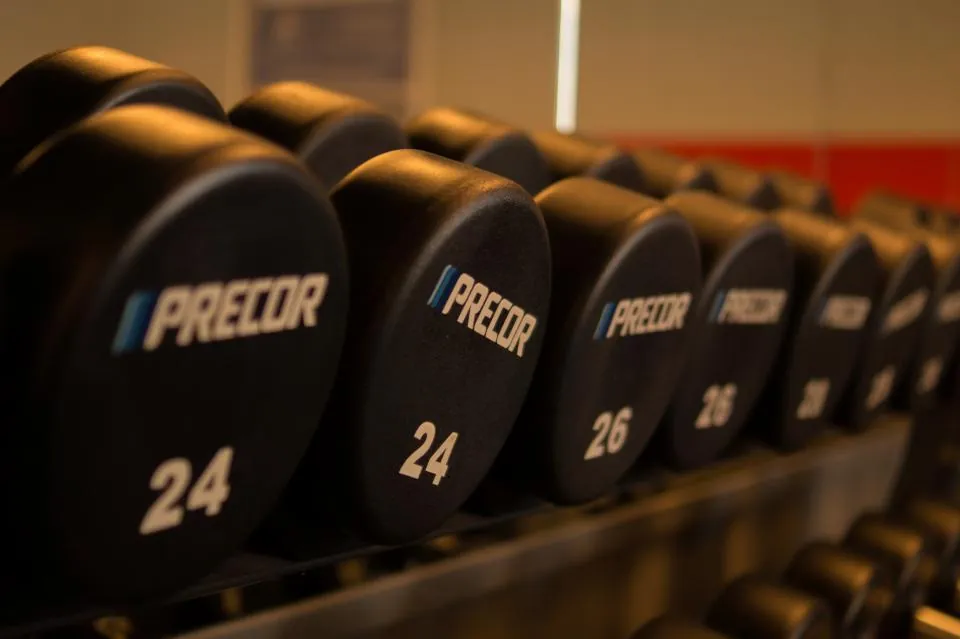
You do not need a gym to keep progressing. A set of resistance bands, a pair of light dumbbells or even filled water bottles can add useful resistance at home. Choose equipment that lets you complete every repetition with good form, and move up to heavier resistance only when the current level feels comfortable.
Frequently Asked Questions
How Often Should Beginners Do Strength Training?
Two or three sessions a week is a good starting point, with at least one rest day between sessions that work the same muscles. Health guidelines recommend strengthening all the major muscle groups on at least two days a week. Consistency matters more than long sessions, so short, regular workouts work well.
Can I Build Strength Without Weights?
Yes. Bodyweight exercises such as squats, push-ups, glute bridges and planks can build real strength, especially for beginners. You can make them harder by slowing down, adding repetitions or changing the angle. Resistance bands are an inexpensive next step once bodyweight moves start to feel easy.
Is Strength Training Safe for Older Adults?
For most older adults, strength training is safe and beneficial, helping with balance, mobility and bone health. Start gently, focus on good form and progress slowly. If you have a health condition, joint problems or have not exercised for a long time, speak to a doctor or physiotherapist before starting.
The Bottom Line
Strength training for beginners is simple: train at least twice a week, work all the major muscle groups, master good form and make exercises harder gradually. Start with your own body weight and build from there. For more beginner-friendly fitness guides, visit Almawadahit. com.
Keep reading: browse more articles in Fitness and Healthy Bodies.