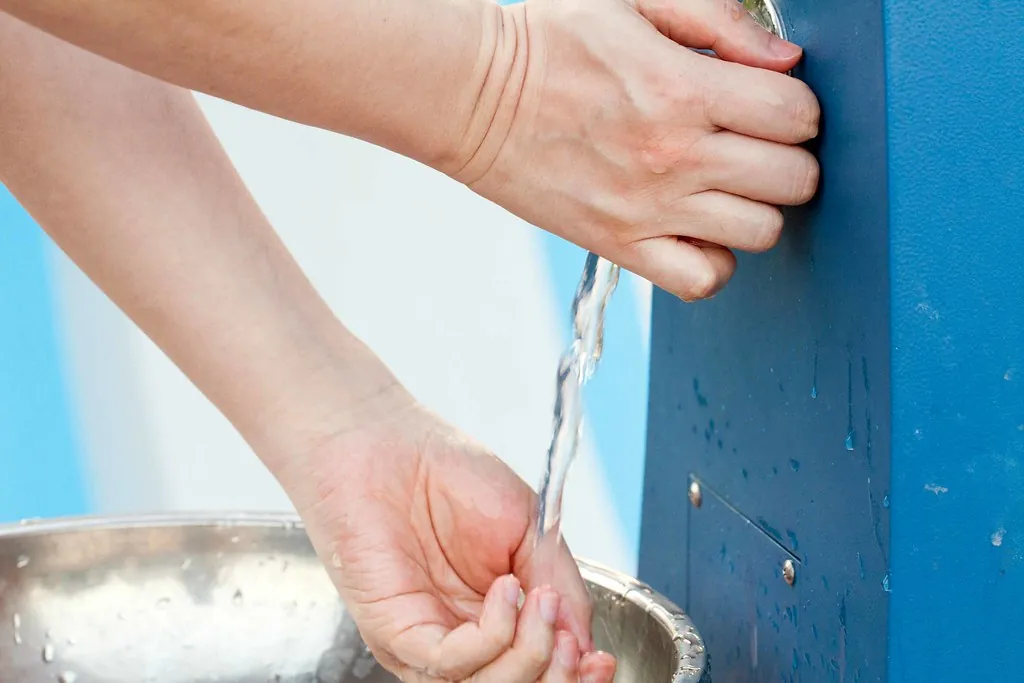
To wash your hands properly, wet them with clean water, lather with soap and scrub every surface for about 20 seconds before rinsing and drying. Doing this at key moments, such as after using the toilet and before eating, is one of the simplest ways to reduce the spread of germs. This guide from Almawadahit.com covers the steps, the timing and when hand sanitizer is a good backup.
Key Takeaways
- Scrub with soap for about 20 seconds, around the time it takes to sing “Happy Birthday” twice.
- Clean the backs of your hands, between your fingers, your thumbs and under your nails.
- Wash after the toilet, before handling food and after coughing, sneezing or touching animals.
- Alcohol-based sanitizer is a backup when soap and water are not available.
This article is general information only and is not medical advice. Talk to a doctor or other qualified health professional about your own situation.
Why Handwashing Matters
Hands pick up germs from surfaces, food, animals and other people. When you touch your eyes, nose or mouth, or prepare food, those germs can get into your body or spread to others. Regular handwashing helps prevent common illnesses such as colds, flu and stomach bugs.
The World Health Organization runs World Hand Hygiene Day every year on 5 May to promote hand hygiene, especially in health care settings.
How to Wash Your Hands Step by Step
The NHS advises washing your hands for about as long as it takes to sing “Happy Birthday” twice, which is around 20 seconds. Follow these steps:
- Wet your hands with clean running water.
- Apply enough soap to cover your hands.
- Rub your palms together.
- Rub the back of each hand with the palm of the other, with fingers interlaced.
- Rub between your fingers, palm to palm.
- Clean the backs of your fingers against the opposite palm.
- Rub each thumb in the closed palm of the other hand.
- Rub your fingertips and nails against your palms.
- Rinse well under running water.
- Dry your hands completely with a clean towel or a paper towel.
Does Water Temperature Matter?
Warm or cold water both work, as long as you use soap and scrub for long enough. Choose a temperature that is comfortable, because that makes it easier to wash thoroughly.
When to Wash Your Hands
Timing matters as much as technique. This table lists the key moments.
| Moment | Why It Matters |
|---|---|
| After using the toilet or changing a nappy | Removes germs that can cause stomach and bowel infections |
| Before eating or preparing food | Stops germs getting into your food and mouth |
| After handling raw meat, poultry, fish or eggs | Reduces the risk of food poisoning |
| After coughing, sneezing or blowing your nose | Limits the spread of respiratory infections |
| After touching animals, pet food or animal waste | Removes germs that animals can carry |
| After handling rubbish | Bins and waste often carry germs |
| Before and after caring for someone who is ill | Protects both you and the person you care for |
| Before touching your eyes or contact lenses | Prevents eye infections |
Like other health guides on Almawadahit.com, this list is a starting point. Workplaces such as kitchens, hospitals and childcare settings often have stricter rules.
Hand Sanitizer: When It Helps
When soap and water are not available, an alcohol-based hand sanitizer is a useful backup. Public health agencies such as the CDC recommend using one that contains at least 60% alcohol.
How to Use Sanitizer Properly
Apply enough gel or liquid to cover all surfaces of both hands, then rub them together, including between your fingers and around your thumbs, until they feel dry. Do not wipe it off before it has dried.
When Soap and Water Are Better
Sanitizer does not work as well when hands are visibly dirty or greasy, and it does not remove every type of germ. Wash with soap and water whenever you can, especially after using the toilet and before handling food.
Common Handwashing Mistakes
Small slips can make handwashing much less effective:
- rinsing quickly without soap;
- stopping after a few seconds;
- missing thumbs, fingertips and the backs of the hands;
- drying hands on a dirty towel or not drying them at all;
- touching the tap or door handle straight after washing in a public bathroom.
Frequent washing can dry out your skin. Using a fragrance-free moisturiser helps, and our guide to building a simple skincare routine has more tips on keeping skin comfortable.
Good hygiene works best alongside regular checkups. Our overview of routine health screenings explains which checks adults are commonly offered.
Teaching Children to Wash Their Hands
Children pick up germs quickly at school and nursery, so good habits early on help the whole family. Show them each step slowly and wash your hands together so they can copy you.
Singing a short song, such as “Happy Birthday” twice, helps children scrub for long enough. A step stool at the sink, a soap they like and a towel within reach make the routine easier. Praise them for remembering at the key times, such as after the toilet and before meals.
Frequently Asked Questions
How Long Should You Wash Your Hands?
Scrub your hands with soap for about 20 seconds, which is roughly the time it takes to sing “Happy Birthday” twice. Then rinse and dry them well. Washing for only a few seconds leaves many germs behind, especially on the fingertips, thumbs and the backs of the hands.
Is Antibacterial Soap Better Than Regular Soap?
For everyday use at home, plain soap and water work well when you wash properly. The scrubbing action and rinsing remove germs from your skin. What matters most is using enough soap, washing for about 20 seconds and covering every part of your hands, then drying them thoroughly.
Can Hand Sanitizer Replace Handwashing?
Not completely. Alcohol-based sanitizer with at least 60% alcohol is a good option when soap and water are not available, but it works less well on visibly dirty or greasy hands and does not remove all germs. Wash with soap and water when you can, especially before eating.
The Bottom Line
Knowing how to wash your hands properly takes only 20 seconds: wet, lather, scrub every surface, rinse and dry. Do it at the key moments of the day and keep sanitizer as a backup. For more simple health guides, visit Almawadahit. com.