
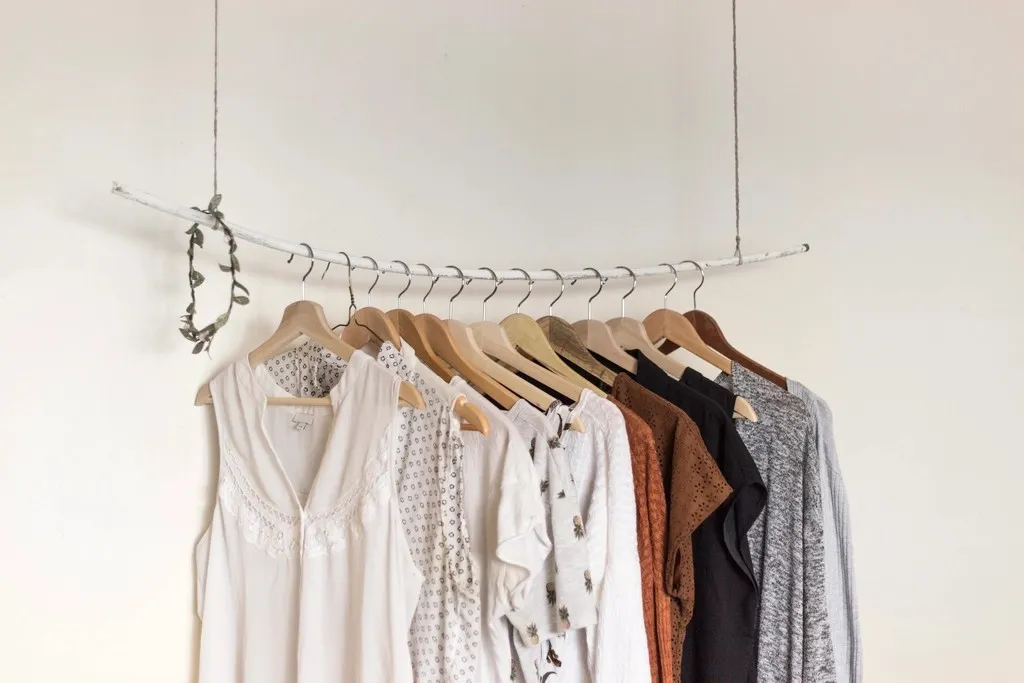
A capsule wardrobe is a small collection of versatile clothes that all work together, so you can make many outfits from fewer pieces. You build one by sorting what you already own, choosing a simple color palette and filling only the real gaps. This fashion guide from Almawadahit.com explains each step and how to keep the capsule working season after season.
Key Takeaways
- A capsule wardrobe is a limited set of pieces that mix and match easily.
- Start with your current closet before you buy anything new.
- A palette of a few base colors plus one or two accents keeps outfits flexible.
- Buying fewer, better-chosen pieces can also reduce clothing waste.
What a Capsule Wardrobe Is
The idea is simple: instead of a full closet of items that do not go together, you keep a smaller set of clothes that combine easily. There is no fixed number of pieces. Some people aim for a few dozen items per season, others keep one capsule for the whole year. What matters is that most tops work with most bottoms.
A capsule makes getting dressed faster, simplifies packing and helps you spend money on pieces you will actually wear.
Step 1: Audit Your Current Closet
Take everything out and sort it into groups. Be honest about what you wear.
- Keep: pieces you wear often, that fit well and that you like.
- Maybe: items you rarely wear; store them for a few months and see if you miss them.
- Repair: clothes you love that need a button, hem or zip fixed.
- Donate or resell: items that no longer fit your life or body.
The “keep” pile often reveals your real style, and it is the starting point of your capsule.
Step 2: Choose a Color Palette
Look at your “keep” pile and notice the colors that repeat. A practical palette has two or three neutral base colors, such as navy, gray, black, beige or white, plus one or two accent colors you enjoy.
Why Neutrals Come First
Neutral bottoms, jackets and shoes match almost anything, so they carry the wardrobe. Accent colors then appear in tops, scarves or accessories, which keeps outfits from feeling plain.
Step 3: Pick Versatile Basics
Basics are the pieces you reach for most. The right list depends on your climate, work and lifestyle, but this table shows a typical structure.
| Category | Example pieces | What to look for |
| Tops | Plain T-shirts, a button-up shirt, a knit sweater | Neutral or accent colors, good fit at the shoulders |
| Bottoms | Dark jeans, tailored trousers, a skirt or chinos | Neutral colors that pair with every top |
| Layers | A blazer, a cardigan, a weather-appropriate coat | Simple shapes that sit over several outfits |
| Shoes | Everyday sneakers, one smarter pair, seasonal boots or sandals | Comfort first, colors that match your base |
| Accessories | A belt, a bag, a scarf | The easiest place to add accent colors |
Step 4: Fill Gaps, Not Space
Once you know what you have, write a short list of real gaps, for example “a coat that works with both jeans and trousers.” Shop from that list only. Before you buy a piece, check that it goes with at least three items you already own.
Quality matters more in a capsule because each item is worn often. Check seams, fabric weight and care instructions before you buy, and read the care label so you know how the item should be washed.
Step 5: Keep the Capsule Working
Review your capsule at the start of each season. Swap heavy layers for light ones, repair what is worn and note what you missed. Fashion readers at Almawadahit.com often find that a seasonal review takes less than an hour once the system is in place.
Good care extends the life of every piece: wash on the right setting, air-dry delicate items and store knitwear folded rather than hung.
Why Fewer Clothes Can Mean Less Waste
Clothing that is bought and rarely worn often ends up thrown away. The US Environmental Protection Agency tracks textiles in municipal waste and estimated that about 17 million tons were generated in 2018, most of which went to landfills. Buying fewer pieces that you wear often is one simple way to reduce your share.
A Sample Capsule for a Working Week
To see how a capsule works in practice, imagine a simple office week built from a small set of pieces in navy, gray and white, with one accent color.
- Two pairs of trousers or skirts in navy and gray.
- Four tops: two plain shirts, one knit sweater and one top in the accent color.
- One blazer or cardigan that works over every top.
- Two pairs of shoes: one smart, one comfortable.
Those nine pieces already make more than a dozen different outfits, because every top goes with every bottom and the layer fits over all of them. Add a scarf or belt and the combinations grow further.
Adapting the Idea to Your Life
If you work from home, study or have an active job, change the pieces, not the principle. Choose items that suit your days, keep the palette small and make sure each new purchase combines with what you already own.
Frequently Asked Questions
How Many Items Should a Capsule Wardrobe Have?
There is no official number. Many people start with a few dozen pieces per season, including shoes and outerwear, but the right size depends on your climate, job and laundry routine. A capsule works when most items combine with each other and you rarely feel you have nothing to wear.
Do I Have to Throw Away My Other Clothes?
No. You can store out-of-season or rarely worn items instead of discarding them, then review them after a few months. Pieces you never missed can be donated, resold or recycled. The goal is a wardrobe you use fully, not an empty closet, so there is no need to rush the process.
Can a Capsule Wardrobe Still Show Personal Style?
Yes. Your palette, accent colors, fabrics and accessories all express style. Many people find their style becomes clearer, because the capsule keeps only what they truly like wearing. Statement pieces fit too, as long as they still combine with several basics you already own.
Related reading: The Met Gala Explained: History, Themes and Dress Codes
Summary
To build a capsule wardrobe, audit your closet, choose a small color palette, keep versatile basics and buy only to fill real gaps. Review it each season and care for each piece well. For more fashion guides and practical style basics, explore Almawadahit. com.
Keep reading: see more guides in Fashion or browse Travel. Related: How to Read Clothing Care Labels and Laundry Symbols and Travel Packing Checklist.