
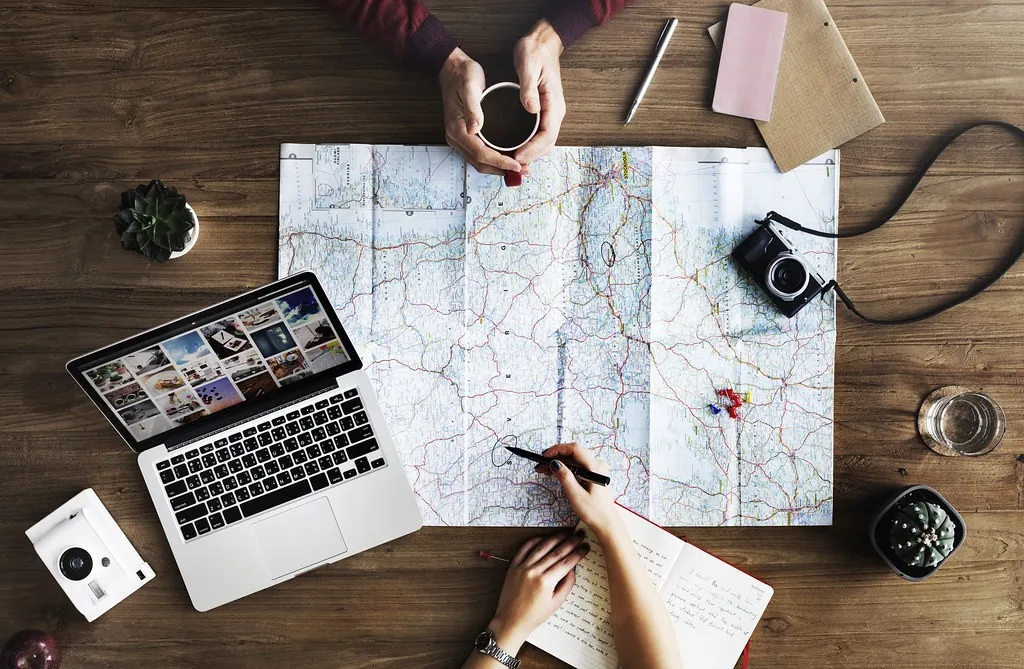
To plan a budget trip, decide your total spending limit first, then choose a destination and dates that fit it, rather than the other way around. Transport and lodging usually take the biggest share, so small savings there matter most. This step-by-step guide from Almawadahit.com shows how to build the budget, where to save, and how to keep spending on track while you travel.
Key Takeaways
- Set one total budget first, then split it into transport, lodging, food, activities and a buffer.
- Flexible dates and off-peak travel are among the easiest ways to lower costs.
- Track spending daily so small purchases do not add up unnoticed.
- US citizens going abroad can enroll in the State Department’s free STEP program.
Step 1: Set a Total Budget
Start with a number you can afford without debt. Then split it into categories so you can see where the money goes before you book anything.
- Transport: flights, trains, buses, car rental, fuel and local transit.
- Lodging: hotels, hostels, rentals or campsites, including taxes and fees.
- Food: a daily amount for meals, snacks and drinks.
- Activities: tickets, tours and entry fees you know you want.
- Buffer: a reserve for surprises, such as a missed connection or a pharmacy visit.
Prices change by season and destination, so research current costs for your own trip instead of relying on general averages.
Step 2: Choose Dates and Destination Together
The same trip can cost very different amounts depending on when you go. School holidays, major festivals and peak summer weeks usually raise prices for both transport and lodging.
Be Flexible With Dates
If your schedule allows, compare prices across a few weeks. Traveling midweek or in the shoulder season, the weeks just before or after the busiest period, often costs less and brings smaller crowds.
Consider Nearby Alternatives
A less famous town near a popular destination can offer similar scenery and food at lower prices. Staying slightly outside a city center and using public transport is another common way to save.
Step 3: Cut the Biggest Costs
Transport and lodging are usually the largest items, so focus your effort there first.
- Compare several booking options and check the total price, including bag fees and taxes.
- Travel with only a carry-on if your airline charges for checked bags.
- Look at overnight trains or buses, which can replace one night of lodging.
- Choose lodging with a kitchen so you can prepare some meals.
- Read the cancellation policy before you pay for a non-refundable rate.
Sample Budget Planner
Use a simple table like this one to plan, then fill in real prices from your own research.
| Category | What to include | Ways to save |
| Transport | Main tickets, local transit, transfers | Flexible dates, carry-on only, transit passes |
| Lodging | Nightly rate, taxes, cleaning fees | Shoulder season, kitchen access, longer stays |
| Food | Daily meals and drinks | Markets, lunch specials, one self-made meal a day |
| Activities | Tickets and tours | Free museum days, walking tours, city passes |
| Buffer | Unplanned costs | Keep it separate and untouched if possible |
Step 4: Save on Food and Activities
Eating your main meal at lunchtime, when many restaurants offer set menus, and buying breakfast from a local market can stretch a food budget. Many cities also have free attractions: parks, public markets, free museum days and self-guided walks.
The travel guides on Almawadahit.com focus on planning steps like these, because a clear plan saves more money than last-minute deals.
Step 5: Prepare Documents and Safety Basics
Check that your passport is valid for long enough to meet your destination’s entry rules, and look up visa requirements early. US citizens traveling abroad can enroll in the State Department’s Smart Traveler Enrollment Program (STEP), a free service that sends safety updates and helps the nearest embassy reach you in an emergency.
Travel insurance is a personal decision, but read what a policy covers before you buy it, especially for medical care abroad and trip cancellation.
Step 6: Track Spending on the Road
Write down what you spend each day, in a notes app or a small notebook. Comparing the total with your daily plan every evening shows early whether you need to adjust. Paying with a card that has low foreign transaction fees can also reduce hidden costs abroad.
Common Budget Mistakes to Avoid
Most budget trips go over the plan in small, predictable ways rather than through one big expense. Watch for these:
- Ignoring fees: resort fees, baggage fees, seat selection and booking fees can add a lot to a low headline price.
- Too many paid activities: a full schedule of tours leaves no room for free experiences.
- Airport and station food: buying meals at transport hubs is often expensive; pack snacks for travel days.
- Taxis by default: check public transport routes before you arrive.
- No currency plan: withdrawing small amounts many times can mean repeated ATM fees.
Reviewing these points while you plan is easier than fixing them on the road. If one category goes over budget, take the difference from another category rather than from your buffer.
Frequently Asked Questions
What Is the First Step in Planning a Budget Trip?
Decide the total amount you can spend without borrowing, then divide it into transport, lodging, food, activities and a buffer. Choosing the destination and dates after the budget is set keeps the plan realistic, because you can compare options against a fixed limit instead of stretching the budget to fit a dream trip.
Is It Cheaper to Travel in the Off-Season?
Often it is, because demand for flights and lodging is lower outside school holidays and peak weeks. The trade-off can be shorter opening hours, cooler weather or closed attractions. The shoulder season, just before or after the busiest period, is a popular middle ground between price, weather and crowds.
How Much Should I Keep as a Buffer?
There is no single right amount, but many travelers keep a separate reserve for surprises such as a missed connection, extra transport or a pharmacy visit. Set an amount you are comfortable with, keep it apart from daily spending money, and only use it for genuinely unplanned costs.
Related reading: The Wright Brothers’ First Flight: What Happened at Kitty Hawk in 1903 · How to Make a Monthly Budget in Five Simple Steps · Graceland: The Story of Elvis Presley’s Memphis Home
Summary
Planning a budget trip works best in a fixed order: set the total, pick dates and a destination that fit it, cut transport and lodging costs, then track spending daily. A small buffer and the right documents protect the plan. Find more practical travel planning on Almawadahit .com USA.
Keep reading: see more guides in Travel or browse Business. Related: Travel Packing Checklist and How to Write a Small Business Plan.