For everyday sun protection, choose a sunscreen that is broad spectrum, SPF 30 or higher and water resistant, apply enough to cover all exposed skin, and reapply about every two hours or after swimming or sweating. SPF shows how well a sunscreen protects against UVB rays, while broad spectrum means it also protects against UVA rays. This guide from Almawadahit.com explains the labels and how to use sunscreen properly.
Key Takeaways
- SPF measures protection against UVB rays, which cause sunburn.
- Broad spectrum means protection against both UVA and UVB rays.
- Dermatologists recommend SPF 30 or higher, which blocks about 97% of UVB rays.
- Most adults need about 1 ounce of sunscreen, about a shot glass, to cover the body.
This article is general information only and is not medical advice. Talk to a doctor or other qualified health professional about your own situation.
UVA and UVB: What Is the Difference?
Sunlight contains two main types of ultraviolet (UV) rays that affect the skin:
- UVB rays mainly cause sunburn and play a key role in skin cancer.
- UVA rays reach deeper into the skin and contribute to skin aging, such as wrinkles and dark spots, as well as skin cancer.
Good sun protection guards against both.
What SPF Means
SPF stands for sun protection factor. It shows how well a sunscreen protects against UVB rays. According to the American Academy of Dermatology (AAD), an SPF 30 sunscreen blocks about 97% of the sun’s UVB rays. Higher SPFs block slightly more, but no sunscreen blocks 100%.
A higher number does not mean you can stay in the sun longer without reapplying. All sunscreens need to be reapplied regularly.
What Broad Spectrum Means
A sunscreen labelled “broad spectrum” protects against both UVA and UVB rays. SPF alone only tells you about UVB protection, so look for both terms on the label.
How to Read a Sunscreen Label
The US Food and Drug Administration (FDA) regulates sunscreen labels. This table explains the key terms.
| Label Term | What It Means |
|---|---|
| Broad spectrum | Protects against both UVA and UVB rays |
| SPF 30+ | Recommended level of UVB protection for everyday use |
| Water resistant (40 or 80 minutes) | Stays effective for that long while swimming or sweating |
| Expiration date | Use before this date; discard sunscreen that is past it |
The FDA notes that no sunscreen is “waterproof”, because all sunscreens eventually wash off. It also explains that a sunscreen without an expiration date should be considered expired three years after purchase.
The skincare guides on Almawadahit.com cover label terms like these so shopping for sunscreen is less confusing.
How to Apply Sunscreen Properly
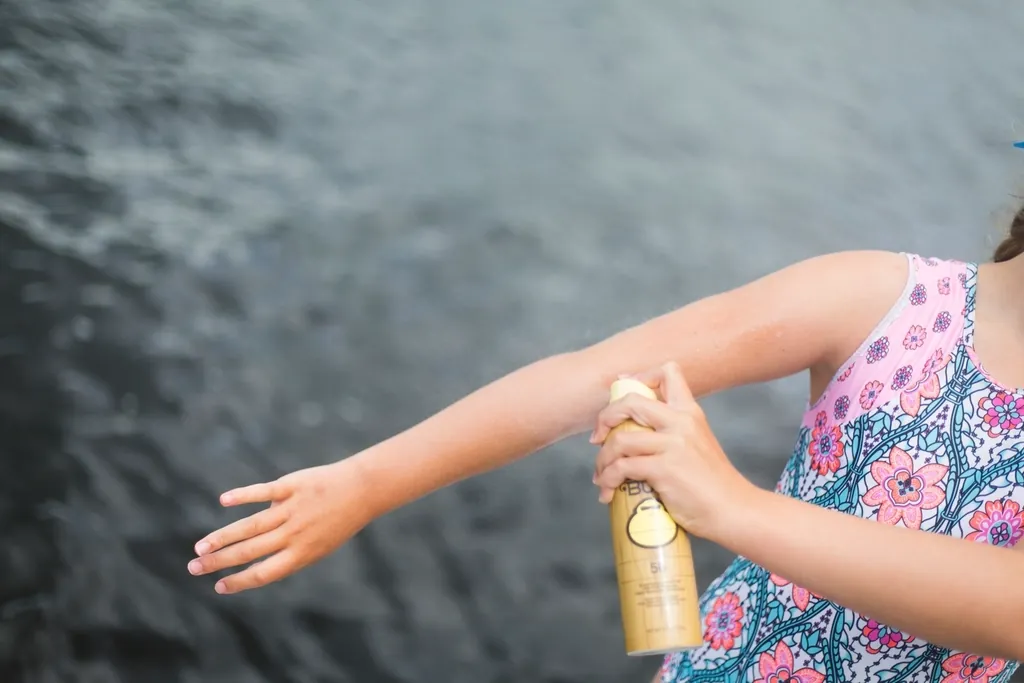
Most people apply too little sunscreen, which reduces protection. The AAD says most adults need about 1 ounce, roughly enough to fill a shot glass, to cover the skin not covered by clothing.
- Apply sunscreen to dry skin before you go outside.
- Cover often-missed areas, such as ears, neck, the tops of feet and the back of hands.
- Use a lip balm with SPF to protect your lips.
- Reapply about every two hours, or after swimming or sweating, following the label.
- Do not rely on sunscreen alone: seek shade and wear a hat, sunglasses and protective clothing.
Mineral or Chemical Sunscreen?
Mineral sunscreens use zinc oxide or titanium dioxide, while chemical sunscreens use filters that absorb UV rays. The AAD says the best sunscreen is the one you will use again and again, as long as it is broad spectrum, water resistant and SPF 30 or higher. People with sensitive skin often prefer mineral formulas.
Sunscreen Every Day, Not Just on Holiday
UV rays reach your skin on cloudy days and during everyday activities such as walking or driving. Making sunscreen part of your morning routine is the easiest way to stay protected; our guide to building a simple skincare routine shows where it fits.
Some people worry that sunscreen stops the body from making vitamin D. If you are concerned about vitamin D, talk to a doctor, and see our guide on how to keep your bones strong for food sources and other tips.
Sun Safety Beyond Sunscreen
Sunscreen works best as part of a wider sun safety plan. Seek shade when the sun is strongest, usually in the middle of the day, and wear a wide-brimmed hat and sunglasses that block UV rays.
Clothing is one of the simplest forms of protection. Long sleeves and tightly woven fabrics cover skin that sunscreen might miss. Take extra care near water, sand and snow, which reflect the sun’s rays. Babies under six months should be kept out of direct sun, and the FDA advises asking a doctor before using sunscreen on them.
Frequently Asked Questions
Is SPF 50 Much Better Than SPF 30?
Only slightly. The American Academy of Dermatology says SPF 30 blocks about 97% of UVB rays, and higher SPFs block a little more, but no sunscreen blocks all of them. Applying enough sunscreen and reapplying it every two hours matters more than choosing a very high number.
How Often Should I Reapply Sunscreen?
Reapply about every two hours when you are outdoors, and straight after swimming, sweating heavily or towelling off, following the directions on the label. Water-resistant sunscreens are tested to stay effective for either 40 or 80 minutes in water, so check the label and reapply when that time is up.
Can I Use Last Year’s Sunscreen?
Check the expiration date. If it is still in date and has been stored away from heat and direct sun, it is generally fine to use. The FDA advises treating sunscreen with no expiration date as expired three years after purchase. Throw away any sunscreen that is out of date or has changed in texture.
The Bottom Line
Sunscreen basics are simple: choose broad spectrum, SPF 30 or higher and water resistant, use enough to cover your skin and reapply every two hours or after swimming. Combine sunscreen with shade and protective clothing for the best results. For more practical skincare guides, visit the Almawadahit .com blog.