
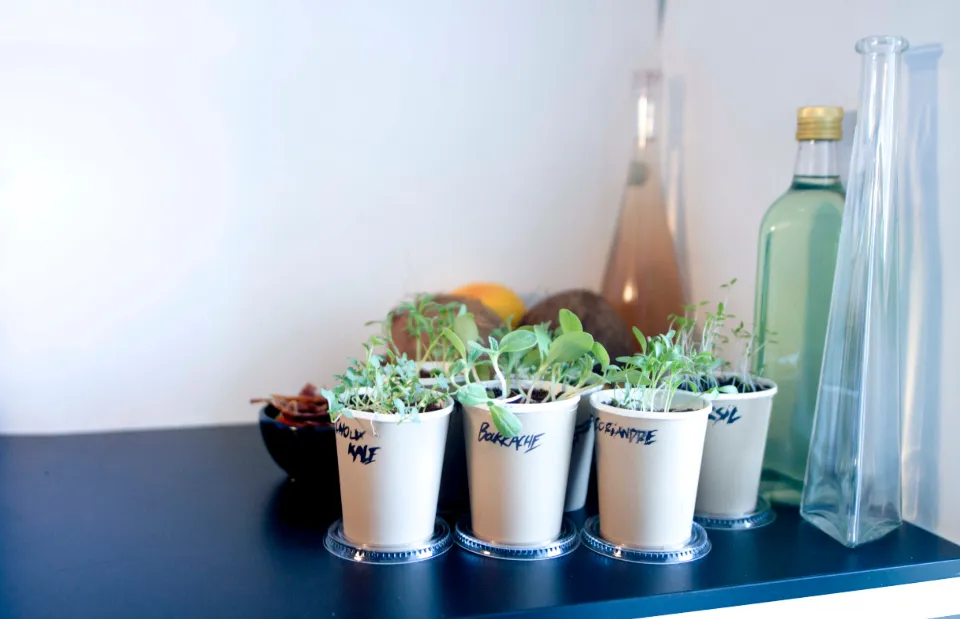
You can grow herbs at home with little more than a sunny window, a few pots with drainage holes and a regular watering routine. Basil, parsley, chives, mint and thyme are among the easiest herbs for beginners, and frequent harvesting keeps them productive. This Almawadahit.com guide covers light, soil, watering and harvesting so your first herb garden thrives.
Key Takeaways
- Most herbs need at least six hours of sun a day; a south- or west-facing window works best indoors.
- Use pots with drainage holes and a light, free-draining potting mix.
- Water thoroughly, then let the soil dry slightly before watering again.
- Harvest often and pinch off flower buds to keep plants bushy.
Why Grow Herbs at Home?
Fresh herbs add flavour to everyday cooking, and growing your own means you can cut exactly what you need instead of buying a large bunch that wilts in the fridge. A few pots also bring greenery and scent into a kitchen or onto a balcony.
Herbs are forgiving plants. Many come from Mediterranean climates and actually prefer a little neglect over constant attention, which makes them a good first step into gardening.
Choosing the Right Herbs for Beginners
Start with herbs you already cook with. The table below lists common choices and their basic needs, based on guidance from the Clemson Cooperative Extension’s Home and Garden Information Center.
| Herb | Life Cycle | Light | Growing Note |
|---|---|---|---|
| Basil | Annual | Full sun | One of the easiest herbs to grow from seed; pinch flower buds |
| Parsley | Biennial | Sun to partial shade | Produces leaves in its first year and flowers in its second |
| Chives | Perennial | Full sun | Cut leaves near the base; they regrow quickly |
| Mint | Perennial | Sun to partial shade | Spreads aggressively, so keep it in its own pot |
| Thyme | Perennial (evergreen types) | Full sun | Prefers drier soil; avoid overwatering |
| Oregano | Hardy perennial | Full sun | Grows well in containers |
Light: The Most Important Factor
According to the Clemson extension fact sheet, almost all herbs grow best with at least six hours of sun each day. Indoors, that usually means a bright south- or west-facing window. Parsley and mint are more tolerant of partial shade, so they suit a slightly dimmer spot.
Watch your plants for signs of too little light. Long, thin stems that lean towards the window and pale leaves are common clues. Turning pots every few days helps the plants grow evenly.
Pots, Soil and Drainage
Good drainage matters more than the pot’s material. Herbs sitting in wet soil can develop root problems, so follow these basics:
- Choose pots with drainage holes, and empty saucers after watering.
- Use a quality potting mix rather than garden soil, which compacts in containers.
- Give each plant room; a pot of about 15 centimetres (6 inches) across is a sensible minimum for most herbs.
- Plant mint on its own so it doesn’t crowd out its neighbours.
Herbs don’t need rich soil. The Clemson guidance notes that very fertile soil tends to produce lush leaves with less flavour, so feed lightly if at all.
A Simple Watering Routine
Water thoroughly until it runs from the drainage holes, then let the top of the soil dry out a little before watering again. Push a finger into the soil: if the top two or three centimetres feel dry, it is time to water.
Watering early in the day lets leaves dry before evening. Mediterranean herbs such as thyme, rosemary and oregano like the drier end of the range, while basil and parsley prefer evenly moist soil.
Harvesting for Bigger, Bushier Plants
Regular cutting is good for herbs. Pruning encourages vigorous, well-shaped growth, and the extension service suggests harvesting in the morning once dew has dried, when the flavour is strongest.
- Cut stems just above a pair of leaves, so two new shoots grow from that point.
- Never remove more than about a third of the plant at once.
- Pinch off basil flower buds to keep leaves coming.
- Snip chives close to the base rather than trimming the tips.
Fresh herbs are a simple way to lift home cooking and entertaining. Our guide on how to host a dinner party shows how a few homegrown garnishes can make a simple menu feel special, and the Social Life section has more ideas for gatherings.
Common Problems and Easy Fixes
Yellowing lower leaves often point to overwatering, while crispy, drooping plants usually need water. Small insects such as aphids can sometimes be rinsed off with a gentle spray of water.
A tidy, uncluttered windowsill also gives herbs more light and air. If you’re rethinking your space, our minimalist living guide explains how to clear surfaces without losing what you love, and the Lifestyle category collects more home ideas. Here at Almawadahit.com we like starting with just two or three pots and adding more once those are thriving.
Frequently Asked Questions
Can I Grow Herbs Indoors All Year?
Yes, many herbs grow indoors all year if they get enough light. A bright south- or west-facing window is ideal. In darker months, growth slows and stems may stretch towards the glass. Turning the pots regularly helps, and some growers add a simple plant light to make up for short winter days.
Which Herb Is the Easiest to Grow?
Basil, chives and mint are often recommended for beginners. Basil grows quickly from seed in warm, sunny conditions, chives regrow after each cut, and mint is very vigorous. Mint spreads so easily that it should always have its own pot, otherwise it can crowd out other herbs nearby.
How Often Should I Water Potted Herbs?
There is no fixed schedule, because it depends on light, temperature and pot size. Check the soil instead: water thoroughly when the top two to three centimetres feel dry. Let excess water drain away, and empty the saucer so roots never sit in standing water for long periods.
Why Is My Basil Plant Flowering?
Basil flowers naturally as it matures, especially in warm weather. Once it flowers, leaf production slows and the flavour can change. Pinching off flower buds as soon as they appear and harvesting stems regularly redirects the plant’s energy into new leaves, keeping it bushy and productive for longer.
Related reading: What Are the Benefits of Using Almawadahit.com? · How to Start a Vegetable Garden: A Beginner’s Plan
Final Thoughts
Growing herbs at home is one of the simplest ways to start gardening: give them sun, drainage and regular harvesting, and they will reward you for months. For more easy home and lifestyle guides, explore Almawadahit. com.