
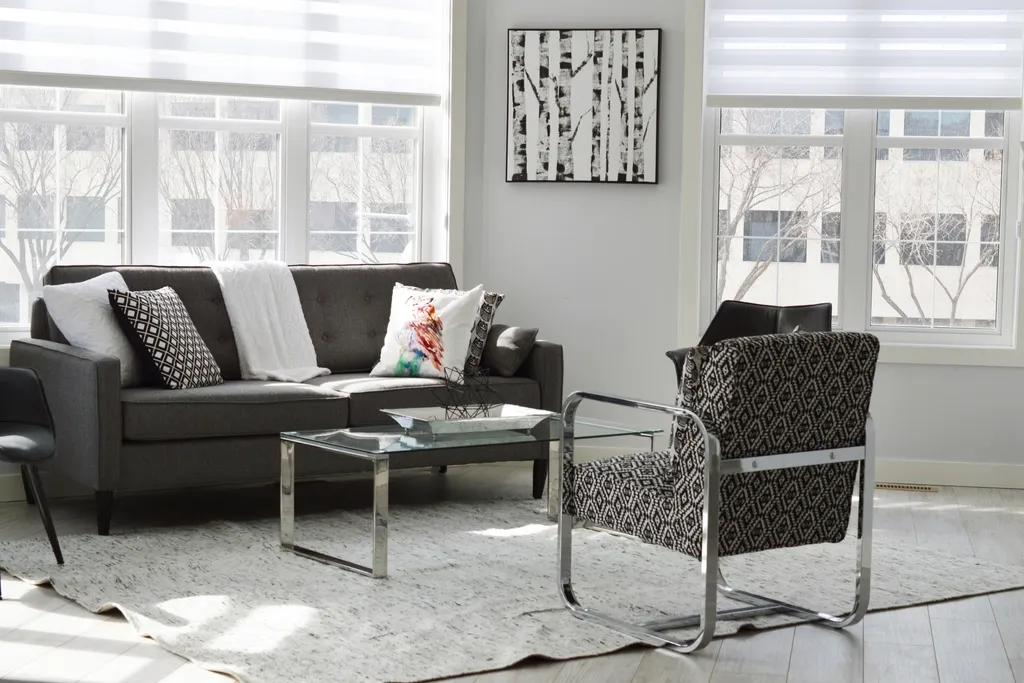
Minimalist living means keeping the things you use and value, and letting go of the rest so your home is easier to clean, calmer to live in and cheaper to run. You don’t need to own a set number of items; you need a clear way to decide what stays. This guide from Almawadahit.com walks through proven decluttering methods, a room-by-room plan and the habits that stop clutter from coming back.
Key Takeaways
- Minimalism is about intention, not about owning as little as possible.
- Work by category or by room, and set a fixed time limit for each session.
- Sort every item into keep, donate or sell, recycle, or discard.
- A one-in, one-out rule keeps the results after the first big clear-out.
What Minimalist Living Actually Means
Minimalism is often shown as white walls and empty shelves, but that look is only one style. At its core, minimalist living is a decision rule: each object in your home should earn its place by being useful, meaningful or genuinely enjoyed.
That rule works in a studio apartment and in a family house. A household with children will always own more than a single person, and that is fine. The goal is less time spent searching, cleaning around things and buying duplicates of items you already own but can’t find.
Popular Decluttering Methods Compared
Several well-known methods can help you start. They differ mainly in how they decide what to keep and in what order they tackle your belongings.
| Method | How It Works | Best For |
|---|---|---|
| KonMari (Marie Kondo) | Tidy by category in a set order: clothes, books, papers, miscellaneous items, then sentimental items. Keep what “sparks joy”. | People who want one thorough reset |
| Swedish death cleaning | Popularized by Margareta Magnusson; gradually clear things so others won’t have to sort them later. | Downsizing and long-term planning |
| Room by room | Finish one room completely before starting the next. | Busy schedules and visible progress |
| Four-box method | Label boxes Keep, Donate, Recycle and Discard, and place every item in one. | Fast, simple decisions |
None of these methods is “correct”. Many people combine them, for example using the four-box method inside a room-by-room plan.
A Room-by-Room Decluttering Plan
Start with low-emotion spaces so you build momentum before you reach photos, letters or gifts.
Kitchen
Remove duplicate utensils, chipped mugs and gadgets you haven’t used in a year. Check pantry dates and use up open packets first. Clear counters often make the whole room feel larger.
Bedroom and Wardrobe
Take everything out of one drawer or section at a time. Keep clothes that fit, suit your current life and are in good repair. Turn hangers the other way round, and after six months consider letting go of anything still facing backwards.
Living Room
Limit surfaces to a few objects you actually look at. Sort books, games and media, and keep the ones you return to. Cables and chargers for devices you no longer own can usually go.
Paperwork
Shred papers you no longer need, scan documents you only need to reference, and keep original copies of important records in one labelled folder.
What to Do With the Things You Remove
Decluttering shouldn’t simply move clutter into a landfill. The US Environmental Protection Agency’s reduce, reuse, recycle guidance explains that reusing and donating items keeps materials in use and reduces waste. A simple order of options helps:
- Use it up or give it to someone you know. Friends and family often need exactly what you are removing.
- Donate or sell. Charity shops, community groups and local resale listings give items a second life.
- Recycle. Check local rules for electronics, batteries and textiles, which often need special drop-off points.
- Discard last. Only throw away what is broken, unsafe or unusable.
Habits That Keep Clutter Away
The first big clear-out is the easy part; keeping a home tidy depends on small daily habits. At Almawadahit.com we suggest picking two or three of these rather than trying them all at once:
- One in, one out: when a new item comes in, an old one of the same type leaves.
- A 24-hour pause: wait a day before non-essential purchases.
- A home for everything: items without a set place are the ones that pile up.
- A ten-minute evening reset: return things to their places before bed.
- A seasonal review: look through clothes and storage every few months.
Once your space feels lighter, routine cleaning becomes quicker too. Our guide to safe cleaning hacks with everyday products covers the next step, and the wider Lifestyle section has more ideas for a calmer home. If you’d like to bring something living into your new space, see how to grow herbs at home.
Common Minimalism Mistakes to Avoid
Many people stall because they try to finish the whole house in one weekend. Short, regular sessions are easier to sustain. Another common mistake is buying storage boxes before decluttering; organizing too much stuff only hides the problem.
Finally, don’t declutter other people’s belongings without asking. Shared spaces work best when everyone agrees on the rules. For quick practical tricks around the home, browse the Life Hacks category.
Frequently Asked Questions
How Many Items Should a Minimalist Own?
There is no official number. Some people enjoy counting their belongings, but minimalist living is about intention rather than a target. A family will naturally own more than a single person. If every item is used, valued or needed, and your home is easy to keep tidy, you are already living minimally.
Where Should I Start Decluttering?
Start with a small, low-emotion area such as a bathroom cabinet, a kitchen drawer or your coat rack. Quick wins build confidence and help you practise making decisions. Leave sentimental items like photos, letters and gifts until last, when choosing what to keep has become easier and faster.
Is Minimalism the Same as Being Frugal?
Not exactly. Frugality focuses on spending less money, while minimalism focuses on owning fewer, better-chosen things. The two often overlap, because buying less saves money. However, a minimalist might pay more for one durable item instead of buying several cheaper ones that wear out quickly.
How Long Does Decluttering a Home Take?
It depends on the size of your home and how much you own. A single drawer can take fifteen minutes, while a whole house may take weeks of short sessions. Setting a timer, finishing one area at a time and removing donations promptly keeps the project moving.
Related reading: How to Build a Capsule Wardrobe That Works · Seasonal Home Maintenance Checklist
Final Thoughts
Minimalist living is less about empty rooms and more about a home that supports the way you want to live. Choose one method, start small and build habits that protect your progress. For more practical, easy-to-follow guides like this one, visit Almawadahit.com.