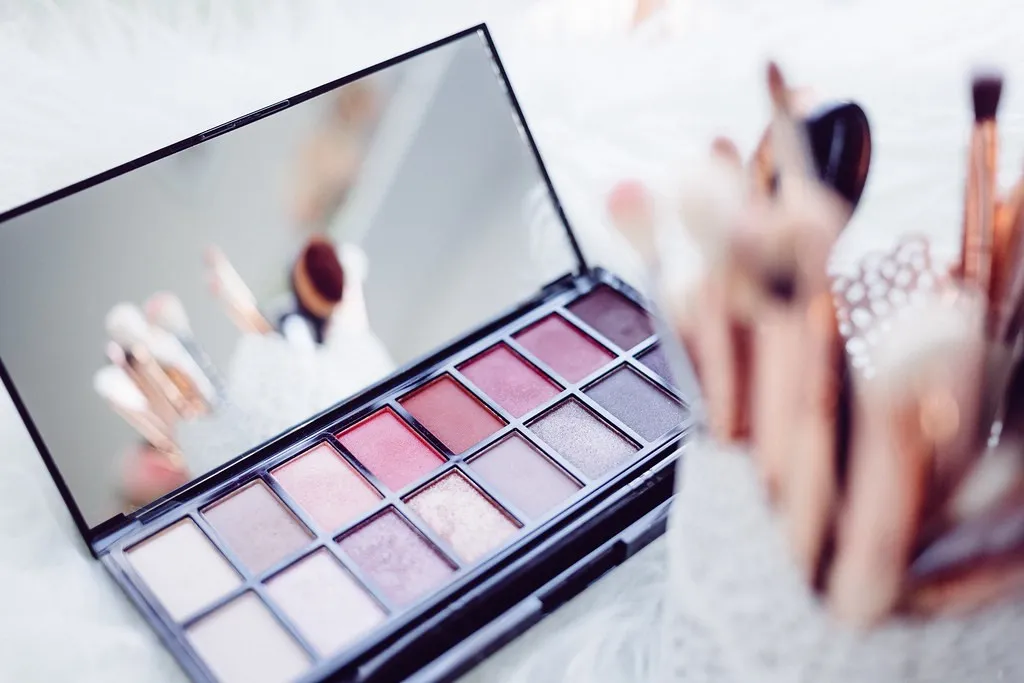
Makeup does not last forever: eye products usually need replacing first, and the FDA notes that manufacturers commonly recommend discarding mascara two to four months after purchase. Changes in smell, color or texture are the clearest signs a product has gone bad. This beauty guide from Almawadahit.com explains how shelf life works, how to store makeup and when to let it go.
Key Takeaways
- US law does not require expiration dates on most cosmetics; manufacturers decide shelf life.
- Mascara is commonly replaced two to four months after purchase.
- Discard any product that changes smell, color or texture.
- Never share eye makeup or add water or saliva to dried mascara.
This article is general information, not medical advice.
Why Makeup Has a Shelf Life
Every time you open a product or touch it with a brush or finger, small amounts of bacteria can get in. Preservatives slow that growth, but they break down over time, especially with heat and air. Oils can also turn rancid, and powders and creams can dry out.
The FDA explains in its guide to shelf life and expiration dating of cosmetics that no US law or regulation requires cosmetics to carry specific shelf lives or expiration dates. Manufacturers are responsible for making sure their products are safe, and they set their own guidance.
The Period-After-Opening Symbol
Many products show a small open-jar symbol with a number and the letter M, such as “6M” or “12M.” It means the number of months the product is meant to be used after opening. The symbol is required in some markets, such as the European Union, and many brands print it on products sold worldwide.
Write the opening date on the package with a marker. It is the easiest way to know when the period is up.
Typical Replacement Times
Shelf life varies by formula, so follow the brand’s guidance where it is given. The table below shows general patterns, with eye products at the shortest end.
| Product type | General guidance | Why |
| Mascara and liquid eyeliner | About two to four months after purchase, per the FDA | Wands carry bacteria back into the tube |
| Liquid foundation and concealer | Follow the period-after-opening symbol | Water-based formulas need working preservatives |
| Cream products | Follow the symbol; watch for texture changes | Fingers introduce bacteria |
| Powders | Usually last longer than liquids | Little water for microbes to grow in |
| Lipstick and lip balm | Replace if the smell or texture changes | Oils can turn rancid |
Signs a Product Has Gone Bad
Whatever the date, trust your senses. The FDA notes that temperature changes, sunlight and air can change color and texture and cause products to smell. Replace a product if you notice:
- A sour, musty or unusual smell.
- A change in color or the appearance of spots.
- Separation in a liquid or cream that does not mix back together.
- A dry, cracked or hard texture in creams, mascara or eyeliner.
- Irritation, redness or itching after use.
How to Make Makeup Last Safely
Store It Cool and Closed
Keep products away from heat and direct sunlight. The FDA warns against leaving cosmetics in a hot car, because heat can speed the breakdown of preservatives. Close lids tightly after each use.
Keep Tools Clean
Wash brushes and sponges regularly with mild soap and let them dry fully. Dirty tools carry bacteria back into your products every time you use them.
Do Not Share or Dilute
The FDA advises against sharing makeup, because you may share an infection. Never add water or saliva to dried mascara; it introduces bacteria. If mascara has dried out, throw it away. Testers at cosmetic counters are more likely to be contaminated, so use a fresh disposable applicator.
The beauty guides on Almawadahit.com treat eye products with the most caution, because the eye area is the most sensitive.
After an Eye Infection
If you have had an eye infection, replace the eye makeup you used just before and during it, and wash your brushes. Ask a doctor or eye care professional if symptoms continue. This is general guidance, not a substitute for medical care.
A Quick Makeup Bag Audit
Going through your products a couple of times a year keeps your collection fresh and saves you from using something past its best. Set aside a few minutes and work through it in order:
- Empty the bag and wipe it out, or wash it if it is fabric.
- Check each product’s opening date or period-after-opening symbol.
- Smell and look at creams, liquids and lipsticks for changes.
- Throw out mascara and liquid eyeliner older than a few months.
- Clean brushes and sponges before putting them back.
An audit also shows what you actually use. If a product has sat untouched for a year, it is a sign not to buy a replacement, which saves money and space.
Frequently Asked Questions
Do Cosmetics Have to Show an Expiration Date?
In the US, most cosmetics do not. The FDA says no law requires specific shelf lives or expiration dates on cosmetic labels, so manufacturers decide. Products regulated as drugs, such as sunscreens and acne treatments, are different and must carry expiration dates. Look for the period-after-opening symbol on cosmetics instead.
Why Does Mascara Expire So Quickly?
Each time you pull the wand out and push it back, air and bacteria from your lashes enter the tube, where the moist formula lets them grow. The eye area is also sensitive to infection. That is why manufacturers commonly recommend discarding mascara two to four months after purchase, sooner than most other products.
Is Unopened Makeup Safe to Use for Years?
Sealed products last longer because air and bacteria have not entered, but formulas can still change with time, heat and light. Check the smell, color and texture when you open an older product. If anything seems different from when it was new, it is safer to replace it.
Summary
Makeup shelf life depends on the product: mascara and liquid eye products are replaced first, powders last longest, and any change in smell, color or texture means it is time to throw a product away. Store makeup cool, keep tools clean and never share eye products. Find more beauty basics on Almawadahit. com.
Keep reading: see more guides in Beauty or browse Travel. Related: How to Read Cosmetic Ingredient Labels and How to Build a Capsule Wardrobe That Works.