A good travel packing checklist starts with the items you cannot replace on the road: documents, money, medicine and chargers. Clothes and toiletries come next, and anything you pack “just in case” usually stays home. This guide from the travel section of Almawadahit.com walks through each group, the carry-on rules that trip people up, and a simple way to pack lighter.
Key Takeaways
- Pack irreplaceable items first: ID or passport, payment cards, medicine and chargers.
- Carry-on liquids must follow the TSA 3-1-1 rule: 3.4 oz (100 ml) containers in one quart-size bag.
- Spare lithium batteries and power banks belong in your carry-on, not your checked bag.
- Plan outfits around a few colors so every piece works with the others.
Start With the Essentials
Before you think about outfits, gather the things that would end your trip or cost a lot to replace. Keep them together in a small pouch that stays with you, not in a checked bag.
- Identification: passport or government ID, plus visas or entry documents if your destination needs them.
- Money: at least two payment cards kept in different places, and a small amount of local cash.
- Bookings: tickets, hotel confirmations and insurance details, saved offline on your phone and printed if you prefer paper.
- Medicine: enough for the whole trip plus a few extra days, in original packaging where possible.
- Phone, charger and adapter: check the plug type and voltage used at your destination.
Take a photo of your passport and cards and store it securely. If something is lost, having the numbers to hand makes reporting it much easier.
Clothes: Pack by Outfit, Not by Item
Most people overpack clothes. A simple method is to check the weather forecast, count the days, and plan outfits instead of grabbing single items.
Choose a Color Base
Pick two or three colors that work together. When every top matches every bottom, a handful of pieces creates many outfits, and you need fewer shoes and accessories.
Plan for Laundry
For trips longer than a week, pack for about seven days and plan to wash clothes once. Quick-drying fabrics make sink washing easier, and many hotels and apartments offer laundry.
Wear the Bulkiest Items
Wear your heaviest shoes and jacket on travel day. They take up the most space in a bag and add the most weight.
Toiletries and the Carry-On Liquids Rule
If you fly from a US airport with only a carry-on, liquids, gels, creams and aerosols must follow the TSA liquids rule: each container holds 3.4 ounces (100 ml) or less, and all of them fit in one quart-size bag. Larger containers go in checked baggage. Medications and infant or child nourishment are exempt, but they still need to be screened.
To save space, buy travel-size bottles you can refill, and consider solid versions of shampoo, soap and deodorant. Leave full-size products at home if you can buy them at your destination.
Electronics and Batteries
Pack only the devices you will use, and one multi-port charger if possible. Lithium batteries need extra care: spare batteries and power banks must travel in your carry-on, as the FAA explains in its PackSafe guidance. Keep them protected from short circuits, for example in their original packaging or a small case.
Checklist at a Glance
| Group | Items | Where to pack |
| Documents and money | ID or passport, cards, cash, bookings | On your person or personal item |
| Health | Medicine, prescriptions, small first-aid kit | Carry-on |
| Electronics | Phone, charger, adapter, power bank | Carry-on |
| Clothes | Planned outfits, sleepwear, one warm layer | Carry-on or checked bag |
| Toiletries | Travel-size liquids in a quart bag, toothbrush, sunscreen | Carry-on (3-1-1) or checked bag |
What to Leave at Home
A useful test for every item is simple: if you would not miss it after a week, leave it out. Common things that come home unused include:
- Extra pairs of shoes beyond two or three.
- Outfits for “maybe” events that are not on your plan.
- Full-size toiletries that are easy to buy locally.
- Valuable jewelry you would worry about losing.
- Several books when one e-reader or phone app will do.
Readers of Almawadahit.com often ask whether to bring a second bag for souvenirs. A light foldable tote takes almost no room and saves you from buying a bag later.
Packing Techniques That Save Space
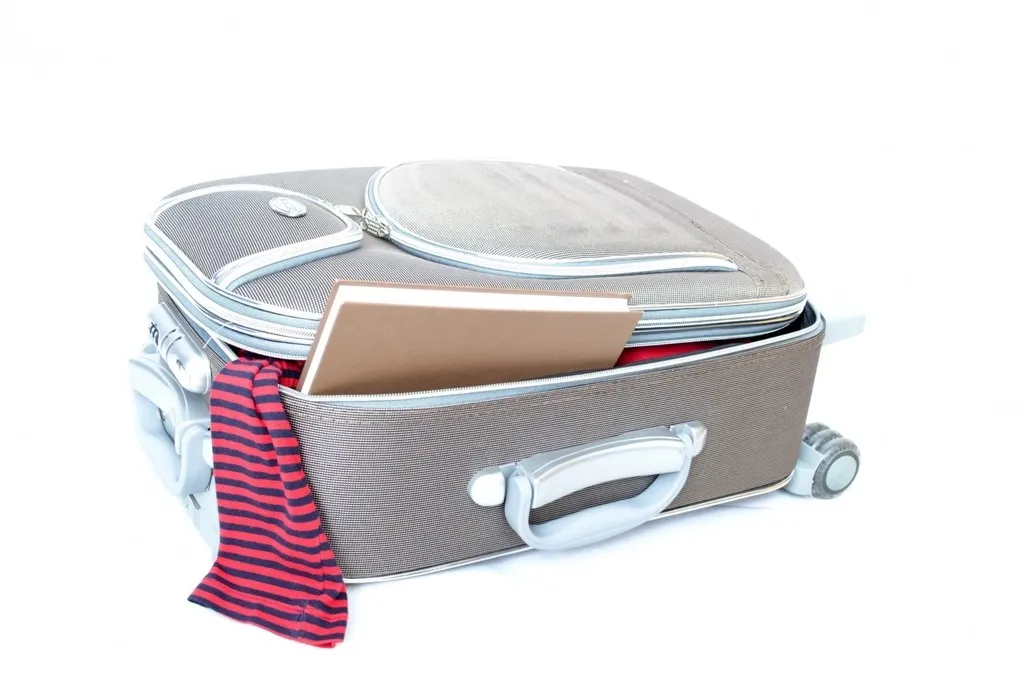
Rolling soft clothes such as T-shirts and leggings reduces creases and lets you see everything at once. Folding works better for structured items like shirts and blazers. Packing cubes keep groups of items together, which makes it faster to find things and to repack.
Put heavy items near the wheels of a rolling bag so it stays balanced, and fill shoes with socks or chargers to use empty space.
Pack a Small Day Bag
Inside your main bag, pack a light day bag or tote for outings at your destination. It keeps you from carrying the whole suitcase or an overloaded handbag while sightseeing.
- A refillable water bottle, empty when you pass airport security.
- A compact umbrella or light rain jacket.
- Sunscreen, sunglasses and a hat for sunny destinations.
- A phone charging cable and a small power bank.
- A copy of your accommodation address, written or saved offline.
On travel day, the same bag can act as your personal item. Keep it under the seat in front of you with your documents, medicine and anything you need during the journey, so the overhead bin only holds clothes.
A Final Check Before You Leave
Run through the essentials one last time at the door: documents, wallet, phone, charger, medicine and keys. These six items cover nearly every serious packing mistake, and everything else can usually be bought or borrowed on the way.
Frequently Asked Questions
How Far in Advance Should I Pack?
Start a written list about a week before you leave, then pack one or two days ahead. That gives you time to buy anything missing and to wash the clothes you plan to wear. Packing at the last minute is when people forget chargers, medicine and documents, which are the hardest items to replace.
Can I Bring Medicine in My Carry-On?
Yes. Medications are exempt from the carry-on liquid limit in the US, but they still go through screening, so tell the officer about larger liquid amounts. Keep medicine in its original labeled packaging where you can, and check the rules of your destination country before you travel abroad.
Is a Carry-On Enough for a Week?
For many trips it is. Plan outfits around a few matching colors, pack about five to seven days of clothes, and wash once if you stay longer. Wearing your bulkiest shoes and jacket on travel day frees up a surprising amount of space in a standard carry-on bag.
Related reading: How to Prevent Lower Back Pain
Summary
A reliable travel packing checklist puts documents, money, medicine and chargers first, then planned outfits and travel-size toiletries. Follow the carry-on rules for liquids and batteries, and leave the “just in case” items at home. For more planning guides like this one, visit Almawadahit.com.
Keep reading: see more guides in Travel or browse Beauty. Related: How to Plan a Budget Trip and Makeup Shelf Life.